
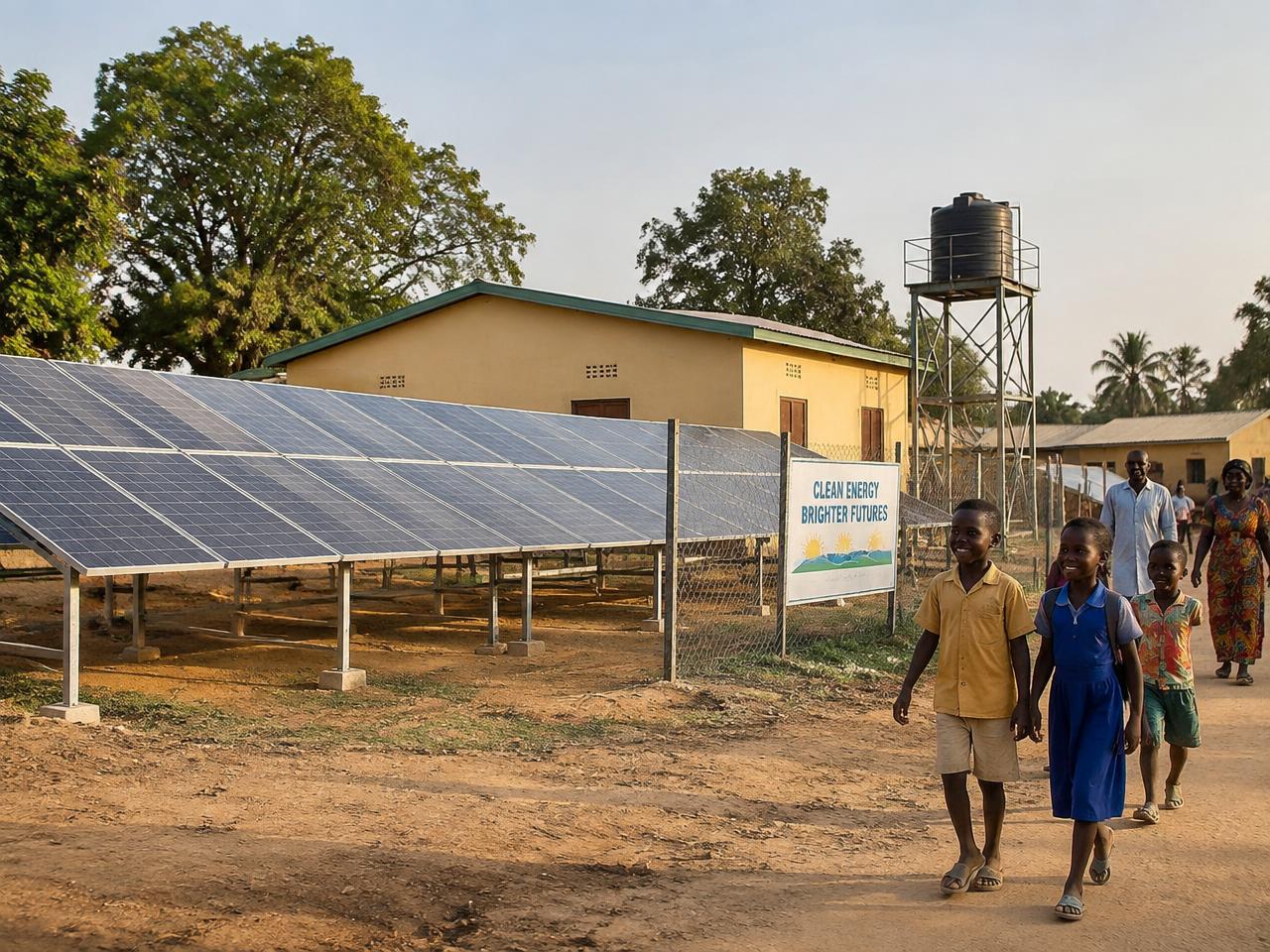
Sustainability
Sustainability That Goes Beyond Solar Panels.
Sustainability means designing energy systems that make economic sense, use resources responsibly, improve resilience and contribute to a lower-carbon future.
Energy transition
Nigeria's energy future requires both access and sustainability.
Nigeria's Energy Transition Plan targets net-zero emissions by 2060 while linking the transition to energy access, industrialisation and economic development. The transition is not simply about reducing emissions.
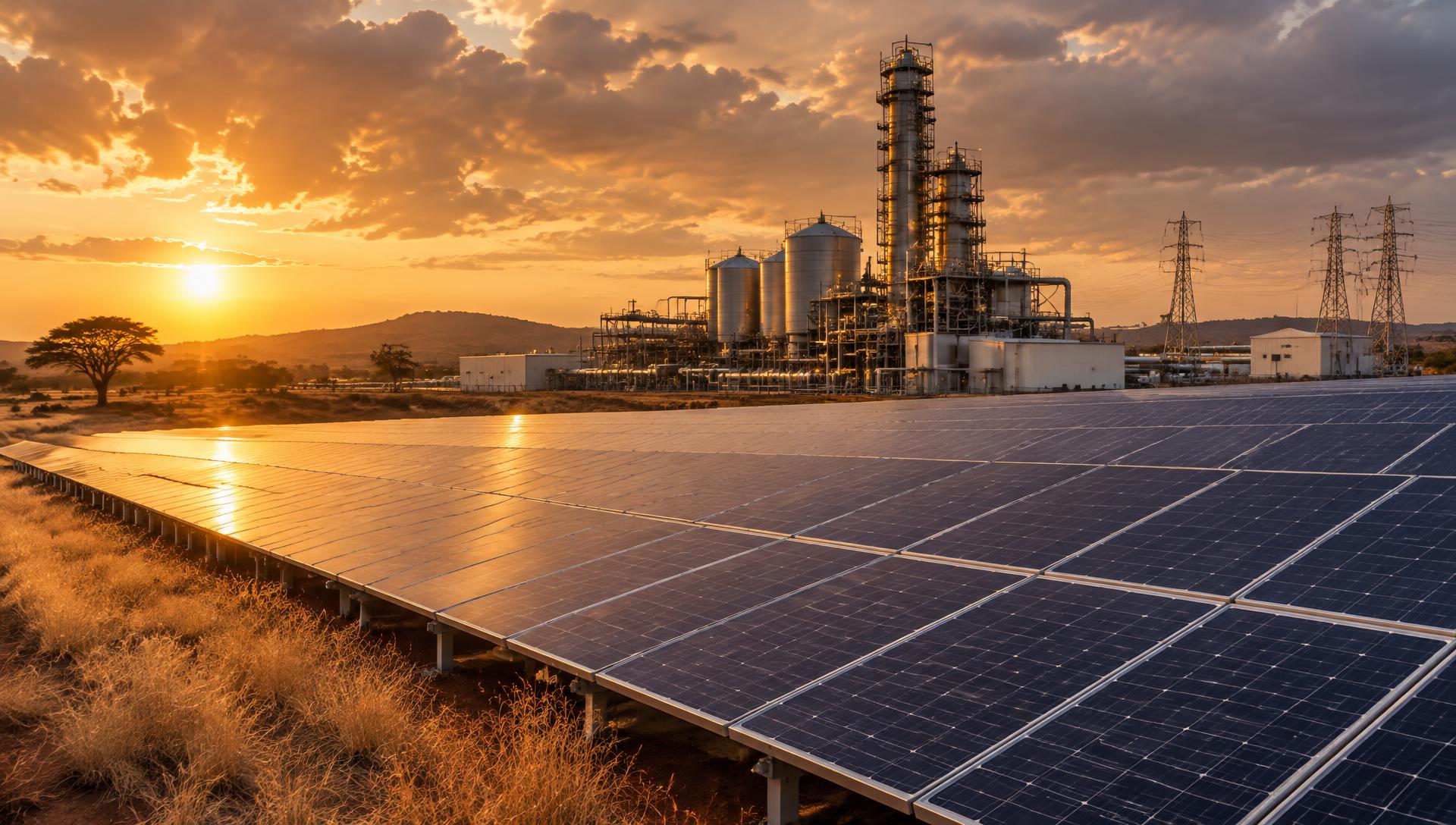
Principles
Our sustainability principles.
01 — Reduce
Reduce unnecessary consumption through efficiency and better system management.
02 — Replace
Where appropriate, replace fuel-intensive generation with renewable energy.
03 — Store
Use storage to improve the flexibility and usefulness of renewable generation.
04 — Optimise
Use monitoring and energy data to continually improve system performance.
05 — Extend Access
Support distributed energy that brings reliable electricity to underserved users.
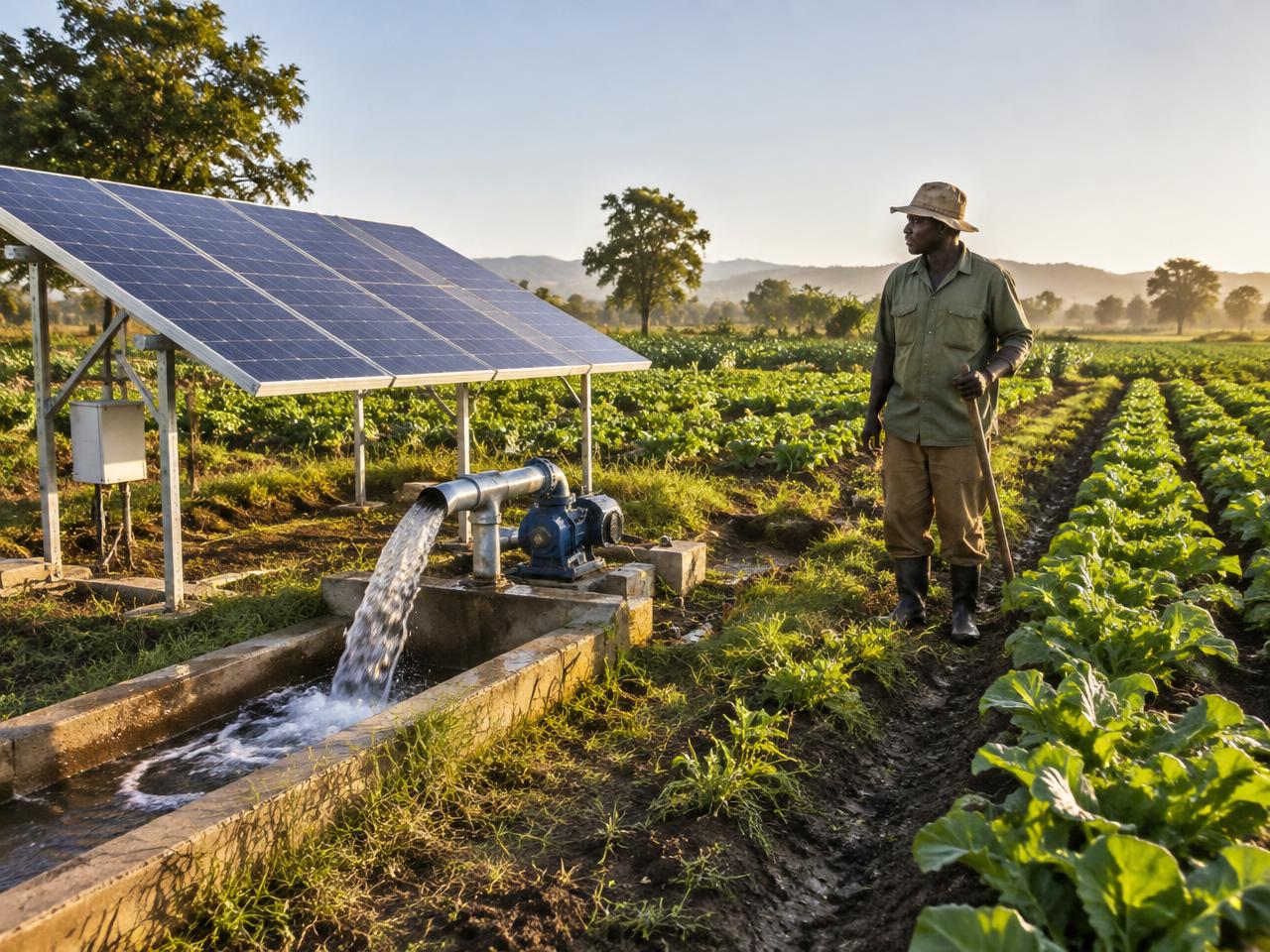
By design
We consider the entire energy system.
Not just the generation equipment — the way a system is specified, installed, operated and improved determines whether it stays sustainable.
Resource efficiency
Use energy and equipment efficiently.
System longevity
Select technologies designed for long-term operation.
Responsible deployment
Consider site, safety, environmental and community requirements.
Measurement
Where data is available, measure performance rather than assume it.
Continuous improvement
Energy systems should evolve as requirements change.
Our vision
A Nigeria where clean, reliable energy powers opportunity.
From factories and farms to hospitals, businesses and communities, access to dependable electricity supports productivity and economic development. Helios Oro aims to make renewable energy more practical, accessible and useful.
Ready to rethink your energy?
Let's assess your energy needs and identify where clean energy can create measurable value for your organisation.